Understanding Carbon Laser Resurfacing: A Modern Approach to Skin Rejuvenation
Imagine achieving a radiant, poreless complexion in the time it takes to have lunch. That’s the promise of carbon laser resurfacing, a non-invasive cosmetic procedure that uses a liquid carbon mask combined with advanced laser energy to deeply exfoliate skin, minimize pores, reduce acne, and improve overall skin texture. Also known by its more glamorous names—the Hollywood Peel, Black Doll Facial, or Charcoal Facial—this treatment is a favorite among those seeking immediate results with virtually no downtime. The entire session typically takes about 30 minutes, making it the ultimate “lunchtime peel” for busy individuals.
Key Facts About Carbon Laser Resurfacing:
- What it treats: Fine lines, wrinkles, enlarged pores, blackheads, active acne, oily skin, uneven skin tone, and mild surface scarring.
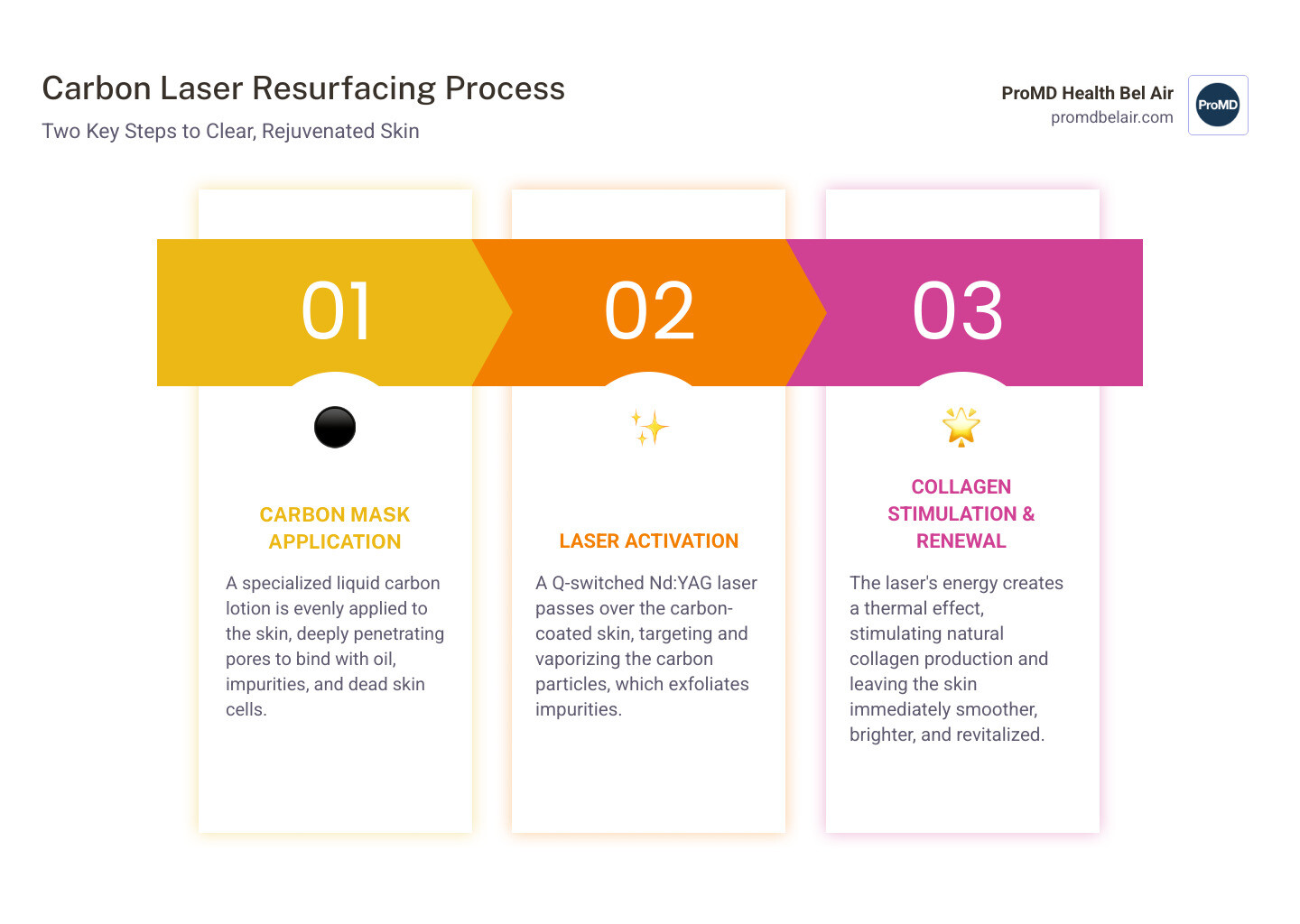
- How it works: A medical-grade carbon lotion is applied to the skin, where it binds to oil and impurities within the pores. A specialized laser is then used to gently heat and vaporize the carbon, taking dead skin cells and debris with it while stimulating collagen production.
- Downtime: Minimal to none. Most patients experience only slight redness, similar to a mild sunburn, which typically subsides within a few hours.
- Results timeline: An immediate glow and smoother feel are noticeable right after the first session, with cumulative improvements in texture and tone appearing over the following 8-12 weeks as collagen regenerates.
- Sessions needed: For optimal results, a series of 2-6 treatments spaced 2-3 weeks apart is usually recommended.
- Best for: It is safe and effective for all skin types, but it is particularly beneficial for individuals with oily, congested, or acne-prone skin.
The procedure differs significantly from traditional ablative CO2 laser resurfacing. While both employ laser technology, carbon laser resurfacing is much gentler and non-ablative, meaning it creates controlled thermal effects in the dermis without removing the entire outer layer of skin. This crucial difference allows you to return to your daily routine almost immediately, a stark contrast to the 7-21 days of significant recovery and wound care required after traditional CO2 resurfacing.
The treatment earned its “Hollywood Peel” nickname because celebrities and models rely on it for flawless, red-carpet-ready skin without the tell-tale signs of a cosmetic procedure. The carbon acts like a powerful magnet, binding to oil, debris, and dead skin cells deep within your pores. When the laser passes over the skin, it targets these dark carbon particles, creating a mini-explosion that vaporizes impurities while the generated heat simultaneously stimulates collagen production in the deeper dermal layers.
I’m Ryan Pittillo, a Franchise Owner at ProMD Health supporting our Bel Air practice. While my background is in coaching and building teams, I’ve learned that carbon laser resurfacing represents the same principles I value in athletics—precision, discipline, and achieving results through proven techniques.
The Science and Benefits: How It Transforms Your Skin
At ProMD Health Bel Air, we believe that understanding the “how” behind our treatments empowers you to make informed decisions about your skin health. Carbon laser resurfacing isn’t just a facial; it’s a sophisticated, multi-step treatment that leverages advanced laser physics and the unique properties of medical-grade carbon to completely refresh your complexion from the inside out.
The Science Behind Carbon Laser Resurfacing
The magic of carbon laser resurfacing begins with a thin layer of liquid carbon, often composed of activated charcoal nano-particles, applied evenly across your face. Think of this carbon as a microscopic magnet for everything you don’t want on your skin: excess oil (sebum), dead skin cells, and environmental pollutants. The carbon particles are specifically designed to penetrate deeply into your pores, where they bind to these impurities.
Once the carbon mask has set, our expert practitioners use a specialized medical-grade laser, typically a Q-switched Nd:YAG laser, to gently pass over the treated areas. This is where the real science comes into play. The dark carbon particles are highly attracted to the laser’s specific wavelength. As the laser light hits the carbon, it instantly absorbs the energy, leading to a rapid heating and a “mini-explosion” effect on a microscopic level.
This controlled photo-acoustic effect has several powerful benefits:
- Deep Cleansing and Exfoliation: The primary action is the vaporization of the carbon particles. As they vaporize, they take with them the absorbed oil, dead skin cells, blackheads, and other debris from deep within your pores. This process effectively shatters epidermal keratinocytes and dirt, providing a thorough yet gentle exfoliation that leaves your skin feeling incredibly clean and fresh.
- Thermal Effect and Collagen Stimulation: Beyond the surface cleansing, the heat generated by the laser’s interaction with the carbon creates a controlled thermal effect within the deeper layers of your skin (the dermis). This warmth signals your body to kickstart its natural healing processes, stimulating fibroblast cells to produce new collagen and elastin fibers. Collagen and elastin are the essential proteins that provide structure, firmness, and elasticity to your skin. The long-term regeneration of these fibers helps to plump the skin, reducing the appearance of fine lines and wrinkles and improving overall skin integrity.
- Acne Control: The thermal energy also targets and destroys acne-causing bacteria (P. acnes) and helps to shrink overactive sebaceous glands, reducing excessive oil production. This dual action makes carbon laser resurfacing an excellent treatment for managing acne. In fact, scientific research has demonstrated its effectiveness in treating inflammatory acne by reducing lesion counts and controlling sebum production.
This innovative approach allows us to achieve significant skin rejuvenation without the aggressive trauma and lengthy downtime associated with older laser technologies.
Key Benefits for a Glowing Complexion
The scientific mechanisms of carbon laser resurfacing translate into a multitude of visible benefits, helping you achieve that coveted “porcelain doll” complexion. Our clients at ProMD Health Bel Air often rave about the immediate and progressive improvements they see, which include:
- Reduces Fine Lines and Wrinkles: By stimulating the growth of new collagen, the treatment helps to plump the skin from within, diminishing the appearance of fine lines and wrinkles, especially around the eyes and mouth.
- Minimizes Enlarged Pores: The deep exfoliation clears out clogged pores, while the thermal effect helps tighten the pore walls, leading to a smoother, more refined skin texture.
- Treats Acne & Fades Scars: This facial is a game-changer for acne-prone skin. It reduces active acne by targeting bacteria and oil glands, and it also helps fade post-acne discoloration and minimize the appearance of superficial acne scars over time.
- Evens Skin Tone & Reduces Hyperpigmentation: By removing the outermost layer of dead skin and stimulating cellular turnover, carbon laser resurfacing can help lighten sun spots, fade freckles, and improve overall skin tone for a brighter, more radiant complexion.
- Controls Oily Skin: The laser’s targeted action on the sebaceous glands helps to regulate oil production, providing lasting relief for individuals struggling with excessive shine.
- Improves Skin Texture: The combination of deep exfoliation and new collagen growth results in a noticeably smoother and softer skin texture.
- Lifts and Tightens Skin: While subtle, the collagen stimulation provides a gentle lifting and tightening effect, improving skin elasticity and firmness over a course of treatments.
Ready to experience a radiant change? Learn more about our comprehensive range of facial treatments that can complement your journey to healthier skin: More info about our facial treatments.
Comparing Carbon Laser Resurfacing with Other Treatments
When exploring skin rejuvenation options, it’s helpful to understand how carbon laser resurfacing stacks up against other popular treatments. To help you understand where this treatment fits, here’s a comparison with other procedures we offer at ProMD Health Bel Air:
| Treatment Type | Mechanism | Intensity | Downtime | Best For |
|---|---|---|---|---|
| Carbon Laser Resurfacing | A carbon lotion is vaporized by a Q-switched laser to exfoliate skin and heat the dermis, stimulating collagen. | Low | Minimal (a few hours of redness) | Oily/acne-prone skin, enlarged pores, fine lines, general texture improvement, pre-event glow. |
| Chemical Peels | A chemical solution (e.g., AHA, BHA, TCA) is applied to the skin, causing controlled exfoliation of the outer layers. | Varies (Light to Deep) | Varies (1-14 days) | Sun damage, hyperpigmentation, melasma, fine lines, certain types of acne and scarring. |
| Traditional CO2 Resurfacing | An ablative laser removes the outer layer of skin (epidermis) and heats the underlying dermis to stimulate collagen. | High | Significant (7-21 days) | Deep wrinkles, severe sun damage, significant scarring, and pronounced skin laxity. |
As the table shows, the carbon laser peel offers a unique balance of effectiveness and convenience. For a broader understanding of the safety profiles of various laser treatments, a helpful resource is this overview of laser resurfacing from the Mayo Clinic. At ProMD Health Bel Air, our experts will guide you to the best choice for your unique skin needs and lifestyle.