When Hair Starts Thinning, a Hair Growth PRP Injection May Be the Reset Your Scalp Needs
A hair growth PRP injection is a minimally invasive, in-office treatment that uses concentrated platelets from your own blood to stimulate dormant hair follicles, reduce shedding, and encourage thicker, denser hair growth.
Here’s what you need to know at a glance:
- What it is: PRP (Platelet-Rich Plasma) therapy draws your blood, concentrates the platelets, and injects them into thinning areas of your scalp
- Who it’s for: Best suited for people with early to moderate hair thinning and still-active follicles
- When results appear: Most people notice improvement within 3-6 months
- How long it lasts: Results typically last 12-18 months with maintenance sessions
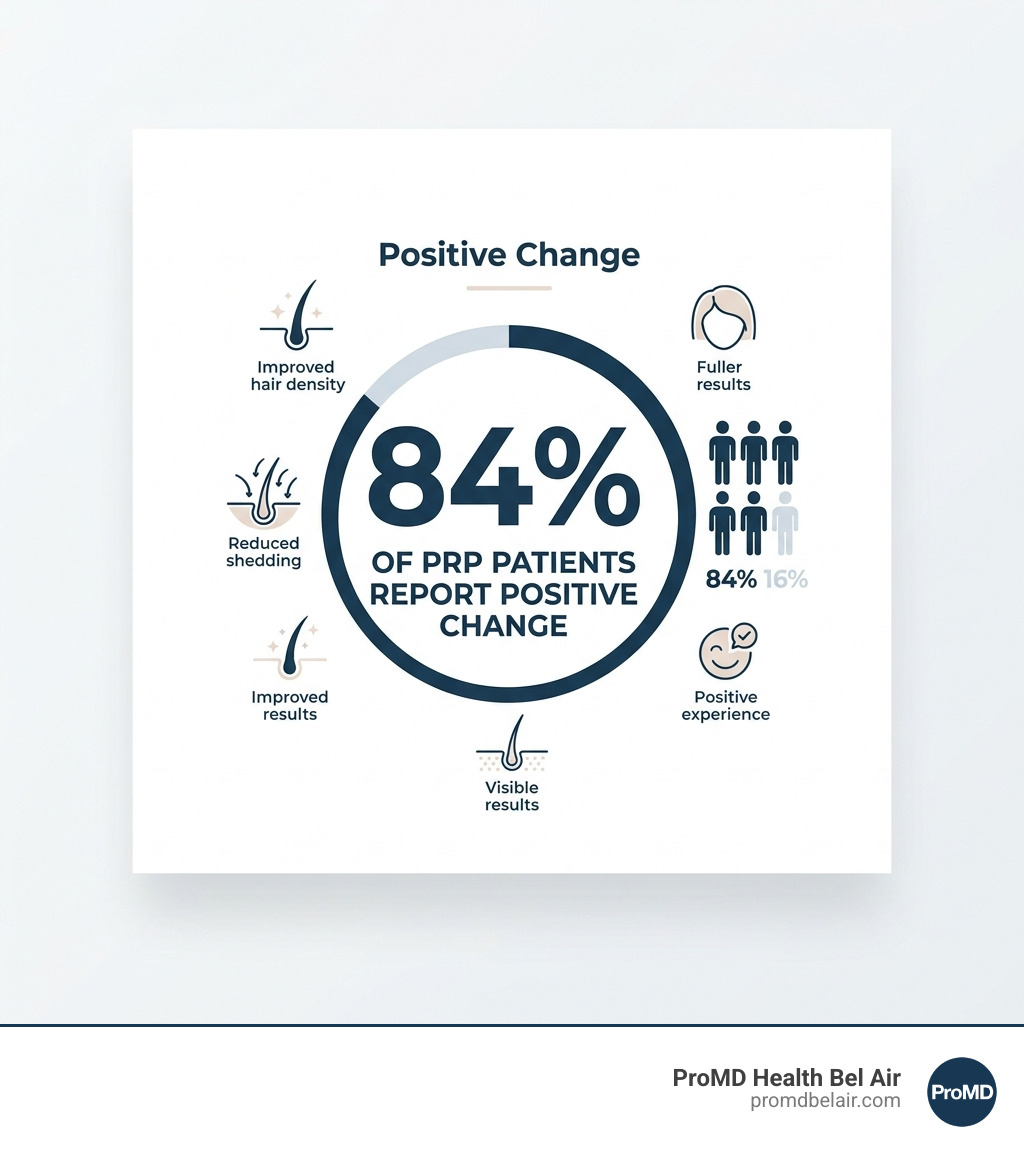
- Success rate: Studies suggest 30-50% of patients experience meaningful benefit
- Cost: Typically ranges from $500-$2,500 per session
Hair loss is more than a cosmetic issue. It affects self-esteem, confidence, and how you carry yourself every day. Hair loss affects as many as 50 million men and 30 million women over their lifetimes — and for many, it quietly chips away at how they feel in their own skin.
The good news? Regenerative medicine has opened a door that didn’t exist a generation ago. PRP therapy belongs to a new class of treatments that work with your body’s own biology — not against it. No synthetic chemicals. No surgery. Just your own blood, concentrated and put to work where your scalp needs it most.
I’m Ryan Pittillo, a Franchise Owner at ProMD Health Bel Air, and while my background is in coaching and athletics, I know how much confidence is tied to how you look and feel — understanding how a hair growth PRP injection can restore that confidence is something I’m passionate about sharing with our Bel Air community. Let’s walk through exactly how this treatment works and whether it might be the right fit for you.
Understanding the Science of Hair Growth PRP Injection
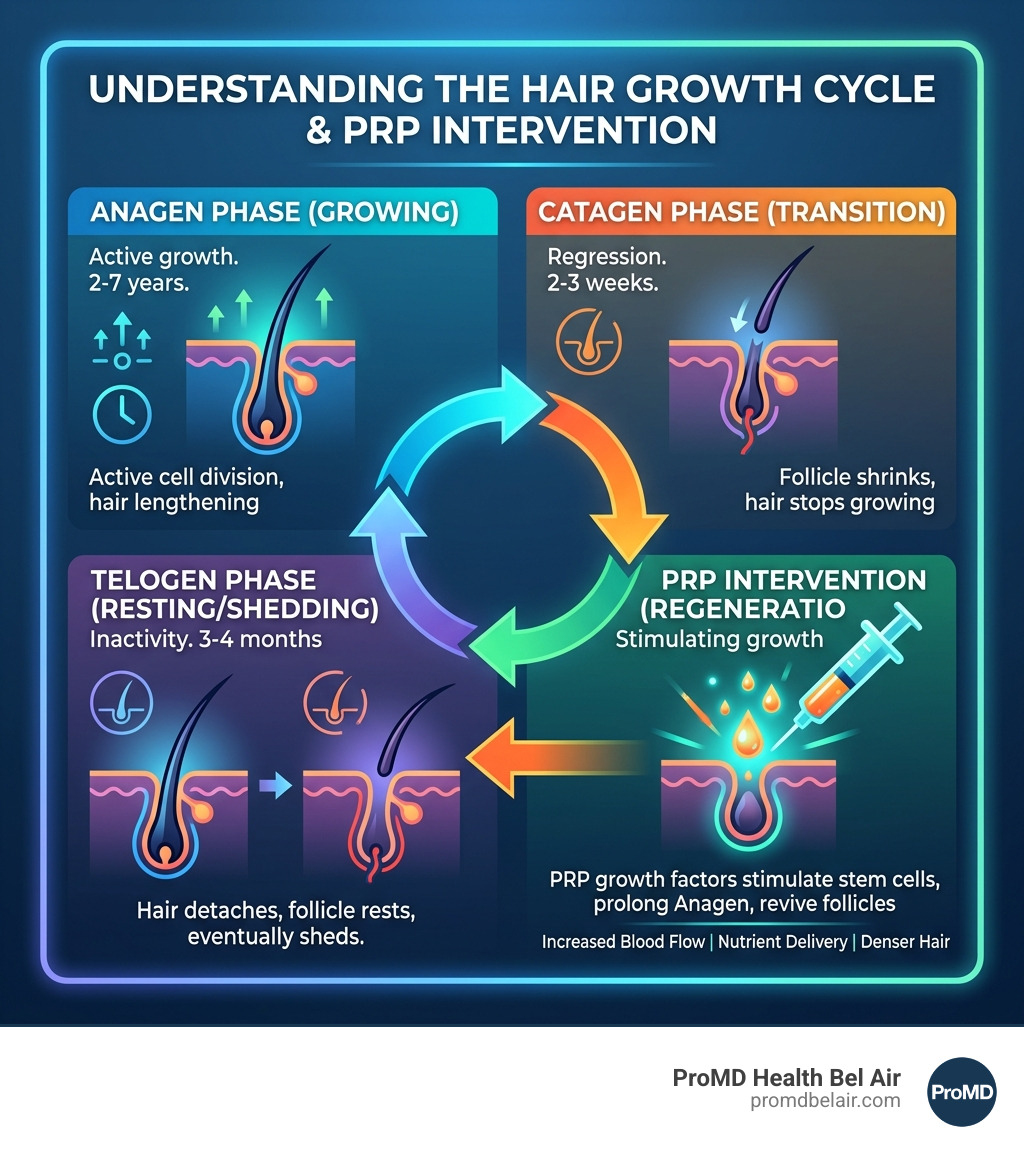
To understand how a hair growth prp injection works, we first have to look at why hair stops growing in the first place. Most hair loss, specifically androgenetic alopecia (pattern baldness), occurs because of “follicle miniaturization.” This is a fancy way of saying your hair follicles are slowly shrinking, producing thinner and shorter strands until they eventually stop producing hair altogether.
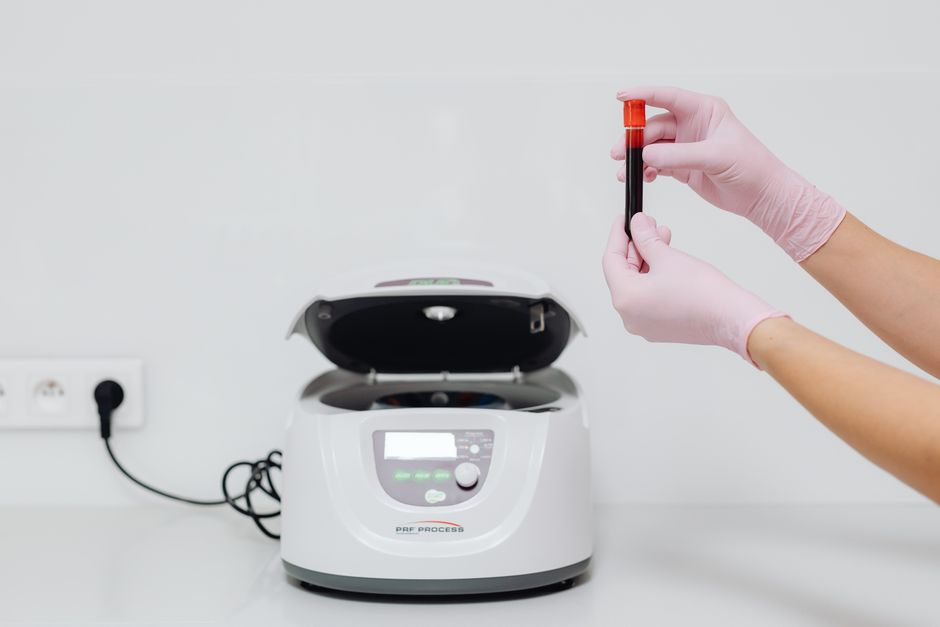
PRP, or Platelet-Rich Plasma, acts as a biological “jumpstart” for these struggling follicles. Your blood is made of four main components: red blood cells, white blood cells, plasma, and platelets. While platelets are famous for clotting blood when you get a cut, they are also packed with growth factors and cytokines—the body’s natural messengers for repair and regeneration.
When we perform a hair growth prp injection, we are delivering a concentrated dose of these growth factors directly to the “bulge” area of the hair follicle. According to the ISHRS, these growth factors signal the cells to enter the anagen (growth) phase and stay there longer.
Key growth factors found in PRP include:
- VEGF (Vascular Endothelial Growth Factor): Helps form new blood vessels, improving circulation to the scalp.
- PDGF (Platelet-Derived Growth Factor): Stimulates cell replication and skin formation.
- EGF (Epidermal Growth Factor): Promotes cell growth and differentiation.
- FGF (Fibroblast Growth Factor): Specialized in tissue repair and hair follicle development.
By concentrating your platelet levels to 2–6 times higher than normal, we provide the scalp with the resources it needs to reverse miniaturization and support thicker hair shafts.
The Step-by-Step Procedure and Recovery
At ProMD Health Bel Air, we strive to make the process as seamless and comfortable as possible. The entire session usually takes about 60 to 90 minutes, though the actual injection portion is quite fast.
1. The Blood Draw
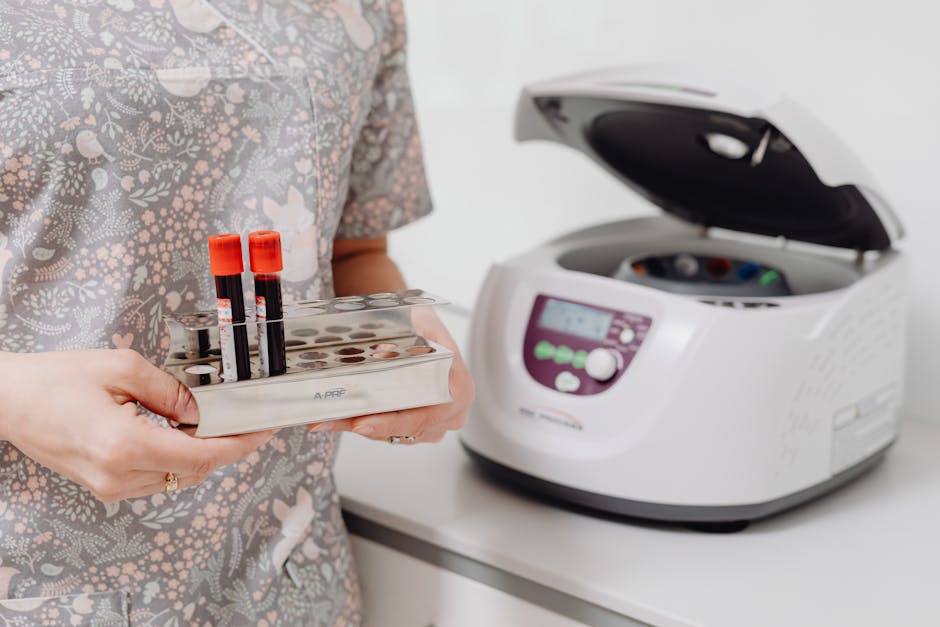
The process begins just like a standard blood test. We draw a small amount of blood (typically between 10ml and 60ml depending on the size of the treatment area) from your arm.
2. Centrifugation
The blood is placed in a specialized machine called a centrifuge. This machine spins at high speeds to separate the blood into layers. We are looking for the “liquid gold”—the plasma that is rich in platelets—while removing the red and white blood cells that can cause unnecessary inflammation.
3. Scalp Preparation
While the blood is spinning, we prepare your scalp. We often apply a topical numbing cream to ensure your comfort. For patients in Bel Air, Fallston, or Forest Hill looking for enhanced results, we may discuss Hyper PRP Hair Restoration with Microneedling, which creates tiny micro-channels in the skin to help the PRP penetrate even deeper.
4. The Injections
Using a very fine needle, our skilled team (including experts like Amanda Pittillo, PA-C or Lauren Mason, PA-C) performs the hair growth prp injection series across the thinning areas of your scalp. We target the specific depth where the hair follicles reside to ensure maximum efficacy. You can learn more about our specific hair restoration services to see how we tailor this to your needs.
Recovery and Downtime
One of the biggest draws of PRP is that there is virtually no downtime. You can drive yourself home and resume most normal activities immediately. You might feel some scalp tenderness, tightness, or mild swelling for 24–48 hours, but this is usually manageable with Tylenol. We recommend avoiding strenuous exercise or high-heat environments (like saunas) for at least 24 hours to let the injection sites heal.
Who is a Candidate for a Hair Growth PRP Injection?
Not everyone is the “perfect” candidate for PRP, and we believe in being honest about expected outcomes. PRP works best on follicles that are still alive but “slumbering.”
Good candidates typically include:
- Men and women in the early stages of androgenetic alopecia.
- Those with “thinning” hair rather than complete baldness.
- Women experiencing postpartum hair loss or thinning related to hormonal shifts.
- Individuals who want a natural alternative to synthetic medications.
Who should avoid PRP? If an area of the scalp is completely smooth and bald, the follicles have likely scarred over or died, meaning PRP won’t have anything to stimulate. Additionally, those with certain blood disorders, active scalp infections, or those currently undergoing treatment for cancer should consult with their primary physician before considering PRP.
Expected Results and Maintenance
Patience is the name of the game when it comes to hair. Because the hair growth cycle is a slow biological process, you won’t walk out of the office with a full mane.
Most patients start to notice a decrease in shedding within the first few weeks—you might see fewer hairs in the shower drain or on your brush. Visible changes in density and hair shaft thickness typically appear between the 3-to-6-month mark. In a 2015 study, researchers found that the vast majority of participants reported continued hair retention 12 months after their last treatment.
Comparing Your Options
To help you understand where PRP fits in the landscape of hair restoration, here is a quick look at how it compares to other common treatments:
| Feature | PRP Injections | Minoxidil (Topical) | Finasteride (Oral) |
|---|---|---|---|
| Method | Autologous (Your Blood) | Daily Topical Liquid/Foam | Daily Prescription Pill |
| Procedure | In-office, 60-90 mins | At-home, daily | At-home, daily |
| Side Effects | Minimal (tenderness) | Scalp irritation, itching | Hormonal changes |
| Maintenance | Every 6-12 months | Daily use required | Daily use required |
| Mechanism | Growth factors/Repair | Vasodilation | DHT Blocker |
Maximizing Results from Your Hair Growth PRP Injection
While a hair growth prp injection is powerful on its own, we often recommend a multi-modal approach to get the best results for our patients in the Bel Air area.
- Combination Therapy: PRP works exceptionally well when paired with microneedling. The microneedling creates a “controlled injury” that triggers the body’s healing response, which the PRP then fuels with growth factors.
- Nutritional Support: Hair is made of protein. Ensuring you have adequate iron, biotin, and protein in your diet gives your follicles the building blocks they need.
- Hydration: Drinking plenty of water before your appointment makes the blood draw easier and ensures your plasma is high quality.
- Consistent Schedule: We typically recommend an initial series of 3 to 4 sessions, spaced about 4 weeks apart. After that, a maintenance “booster” every 6 to 12 months helps keep the results fresh.
Frequently Asked Questions about Hair Restoration
Is a hair growth prp injection painful?
Most patients describe the sensation as a series of small pinpricks or a “prickly” feeling. We use topical numbing agents and very fine needles to keep discomfort to a minimum. Most people find it very tolerable and are surprised by how quickly the injection phase is completed.
How many sessions are typically required?
While some see a difference after one session, the gold standard for long-term success is a “loading” phase of 3 to 4 treatments spaced one month apart. This ensures we are catching as many hair follicles as possible in their active growth phase.
How long do the results of PRP last?
PRP is not a permanent “cure” for hair loss, as the underlying causes (like genetics) remain. However, the results are long-lasting. Most patients enjoy their improved density for 12 to 18 months before needing a single maintenance session to “re-up” the growth factor levels in the scalp.
Conclusion
At ProMD Health Bel Air, we know that hair restoration is a journey. It’s about more than just “growing hair”—it’s about restoring the version of yourself that you see in the mirror. Whether you’re coming to see us from Fallston, Forest Hill, or right here in Bel Air, MD, we provide a personalized, warm environment where your goals are the priority.
One of the unique ways we help you feel confident in your decision is through our AI Simulator. This technology allows you to preview personalized post-treatment results, taking the guesswork out of your aesthetic journey. If you’re tired of seeing more hair in the sink than on your head, it might be time to see what your own biology can do for you.
Ready to take the next step? Schedule your hair restoration consultation with Tyra Lindblad, Kate Maguire, or the rest of our expert team today, and let’s give your scalp the second lease on life it deserves.