The Science Behind Medical Grade Facials
To understand why Medical grade facials are so effective, we have to look beneath the surface—literally. While a traditional spa facial feels wonderful and provides a temporary “glow,” it primarily focuses on the epidermis, the outermost layer of your skin. This is great for relaxation, but it doesn’t always move the needle on deep-seated skin issues.
Medical grade facials, however, are designed to reach the deeper layers of the dermis. By using medical-grade tools and prescription-strength ingredients, these treatments trigger a physiological response in the skin. This isn’t just about cleaning pores; it’s about stimulating cellular renewal. When we use advanced modalities like medical-grade peels, we are encouraging the skin to shed old, damaged cells and replace them with healthy new ones.
Two of the most important components of youthful skin are collagen and elastin. Collagen provides the structure and “plumpness,” while elastin gives the skin its “snap-back” quality. Starting around age 35, our natural production of these proteins begins to decline. Clinical research shows that immediate, short-term benefits from spa facials don’t compare to the structural changes induced by medical treatments. Medical-grade devices create controlled “micro-injuries” or use chemical triggers that force the body to ramp up collagen and elastin production, leading to firmer, smoother skin over time.
| Feature | Traditional Spa Facial | Medical Grade Facial |
|---|---|---|
| Primary Goal | Relaxation and surface hydration | Correcting specific skin conditions |
| Active Ingredients | Over-the-counter (lower concentration) | Prescription-strength (high concentration) |
| Tools Used | Manual massage, basic steam | LED, Ultrasound, Laser, Microdermabrasion |
| Penetration Depth | Epidermis (surface) | Dermis (deep layers) |
| Supervision | Esthetician | Licensed professional under MD supervision |
| Results | Temporary (days) | Long-lasting (weeks to months) |
Who is the Ideal Candidate for Medical Grade Facials?
One of the best things about these treatments is their versatility. Because they are highly customizable, nearly everyone is a candidate. However, we specifically recommend Medical grade facials for those dealing with:
- Acne-Prone Skin: For those struggling with pigmentation or active breakouts, clinical extractions and salicylic acid treatments can penetrate deep into the follicle to kill bacteria and dissolve oil.
- Fine Lines and Wrinkles: Patients noticing the notorious signs of aging can benefit from treatments that stimulate collagen.
- Hyperpigmentation and Sun Damage: If you have dark spots or an uneven skin tone, medical-grade ingredients like Vitamin C and certain chemical acids can suppress melanin production to brighten the complexion.
- Textural Irregularities: If your skin feels rough or looks dull, professional microdermabrasion can smooth the surface effectively.
Before any treatment at ProMD Health Bel Air, we perform a thorough skin type analysis. We review your medical history and current medications—such as those that might increase sun sensitivity—to ensure the protocol is both safe and effective for your unique needs. We even offer an AI Simulator, which allows you to preview your personalized post-treatment results before we even begin!
Common Active Ingredients in Medical Grade Facials
The “secret sauce” of a medical facial lies in the potency of its ingredients. While you can buy hyaluronic acid at the drugstore, the versions used in a clinical setting have a smaller molecular weight, allowing them to actually penetrate the skin barrier.
- Hyaluronic Acid: The ultimate hydration hero, capable of holding 1,000 times its weight in water to plump and smooth the skin.
- Vitamin C: A powerful antioxidant that brightens the skin and protects against environmental damage.
- Retinol (Vitamin A): The gold standard for anti-aging, it speeds up cell turnover and reduces the appearance of fine lines.
- Peptides: These are the building blocks of the skin that signal your body to produce more collagen.
- Niacinamide: Excellent for reducing redness and pore size, making it a favorite for those with sensitive skin or rosacea.
- Salicylic Acid: A beta-hydroxy acid (BHA) that is “oil-loving,” meaning it dives deep into pores to clear out gunk.
- Growth Factors: These stimulate cellular repair and are often used in advanced treatments to accelerate healing.
At ProMD Health Bel Air, we use Pro-Infusion Serums that are formulated to be delivered while the pores are open and most receptive, ensuring your skin gets the maximum benefit from every drop.
Top 6 Medical Grade Facial Treatments for Radiant Skin
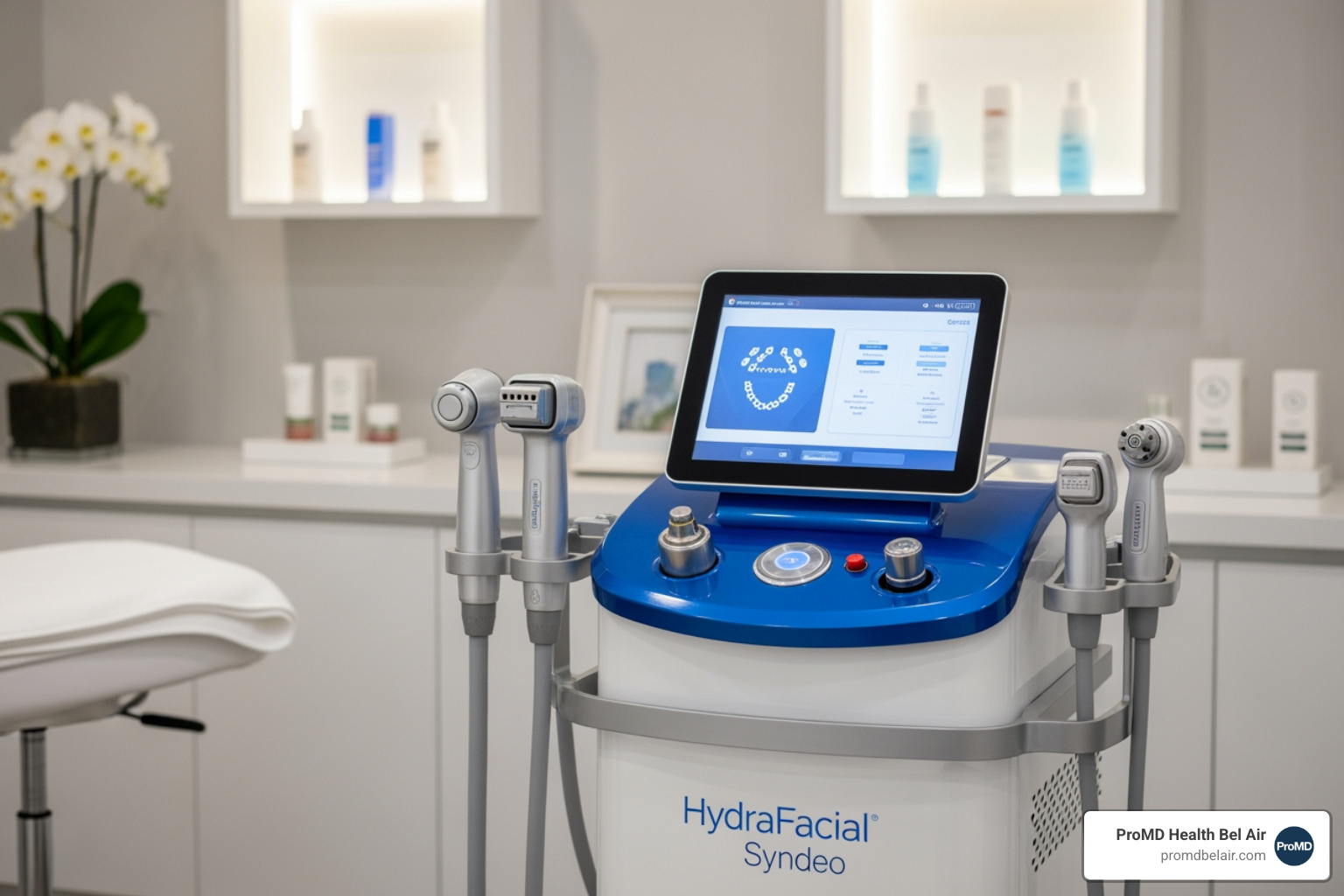
When you visit us in Bel Air, Fallston, or Forest Hill, you’ll find a variety of high-tech options. Here are the top six treatments currently leading the industry:
- HydraFacial Syndeo: This is not your average facial. It uses a patented “vortex-fusion” technology to cleanse, extract, and hydrate. It’s famous for the “gunkie” jar—where you can actually see the impurities removed from your pores at the end of the session. Check out our facials page for more on this “red-carpet ready” treatment.
- Chemical Peels: These range from “lunchtime peels” with no downtime to deeper peels that address significant scarring. A medical-grade glycolic peel can use up to 70% acid, compared to the 30% found in traditional spas, providing a much more dramatic resurfacing effect.
- Microneedling with SkinPen: We use the FDA-cleared SkinPen to create thousands of precise micro-channels in the skin. This triggers the body’s natural healing process, making it one of the most effective ways to treat acne scars and stretch marks.
- Dermaplaning: This involves using a sterile surgical blade to gently shave off the top layer of dead skin cells and “peach fuzz.” It leaves the skin incredibly smooth and allows your skincare products to penetrate much deeper. Learn more about dermaplaning here.
- Microdermabrasion: A mechanical exfoliation treatment that uses a diamond-tip wand or crystals to buff away the outer layer of skin. It’s fantastic for treating dullness and rough texture. You can see more details on microdermabrasion on our service menu.
- Laser Resurfacing: For those looking for more significant rejuvenation, laser-treatments use light energy to target specific pigments or to remove thin layers of skin with precision, promoting the growth of new, healthy skin fibers.
The Step-by-Step Clinical Process
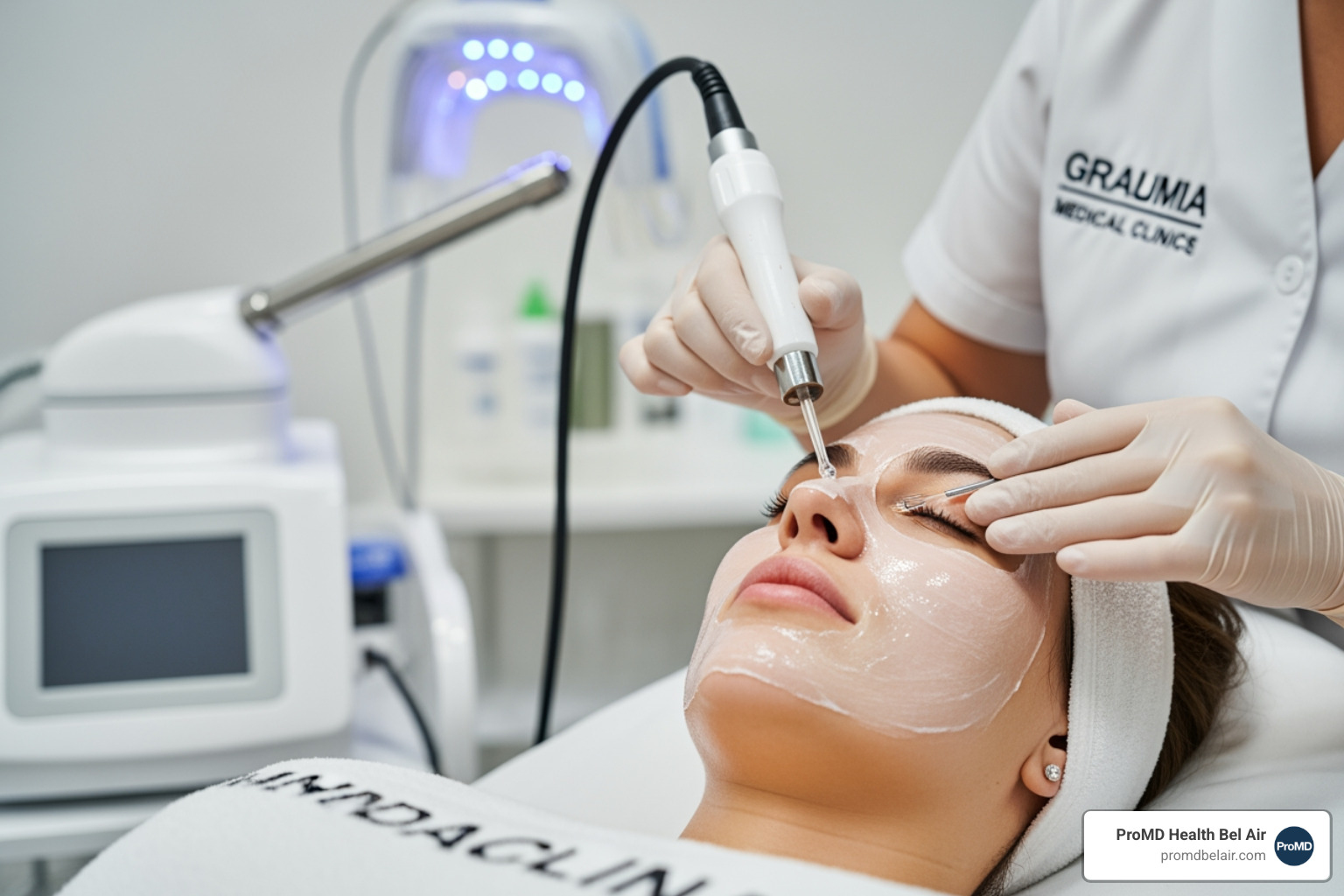
What should you expect when you walk into ProMD Health Bel Air? We follow a meticulous, medical-grade protocol to ensure safety and results:
- Professional Consultation: We start with your goals. We use our AI Simulator to show you what’s possible and discuss your skin history.
- Deep Cleansing: We remove all makeup, oil, and surface debris to prepare the skin.
- Clinical Exfoliation: Depending on your plan, this might involve a chemical solution or a mechanical device like microdermabrasion.
- Manual Extractions: If you have congested pores, our trained professionals will safely remove blackheads and impurities without damaging the skin.
- Nutrient Infusion: This is where the magic happens. We apply high-concentration serums (like growth factors or hyaluronic acid) tailored to your skin’s needs.
- LED Light Therapy: We may use blue light to kill acne bacteria or red light to stimulate collagen and reduce inflammation.
- Medical-Grade Hydration: We seal everything in with a potent moisturizer that supports the skin barrier.
- Broad-Spectrum Sun Protection: Because clinical treatments make your skin more sensitive to the sun, we never let a patient leave without a layer of high-quality SPF 30+.
Maximizing Results: Aftercare and Maintenance
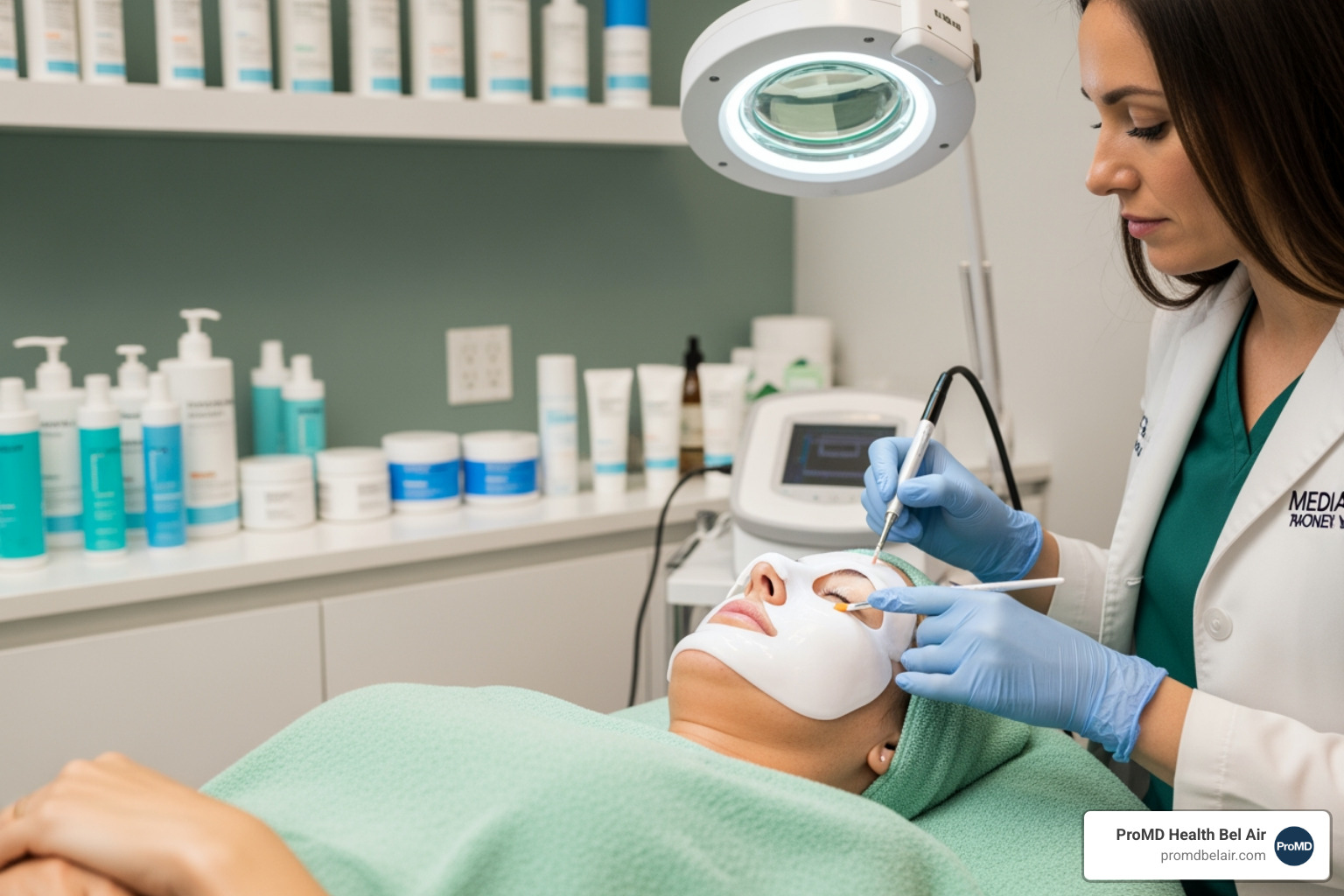
The work doesn’t stop when you leave the office. To protect your investment, you need a solid home-care routine.
- The 48-Hour Rule: Avoid harsh exfoliants (like scrubs or retinols) for at least 48 hours. Your skin is in “repair mode,” so treat it gently.
- Sunscreen is Non-Negotiable: Your “new” skin is more susceptible to UV damage. Wear a broad-spectrum SPF 30+ every single day, even if it’s cloudy.
- Hydrate: Drink plenty of water and use a medical-grade moisturizer to maintain the “plump” look achieved during your facial.
- Consistency is Key: Allure magazine recommends getting a facial once a month to keep up with your skin’s natural 28-day renewal cycle.
Frequently Asked Questions About Medical Grade Facials
How often should I get a medical grade facial?
For most patients, we recommend a treatment every 4 to 6 weeks. This aligns with your skin’s natural turnover cycle. If you are treating a specific concern like active acne or deep scarring, we might suggest a more frequent initial series followed by maintenance sessions.
What is the average cost of these treatments?
The cost generally ranges from $150 to $500 per session. While this is higher than a standard spa facial, the value lies in the results. Because Medical grade facials use more potent ingredients and advanced technology, you often need fewer sessions to see the changes you want.
Are medical grade facials safe for sensitive skin?
Yes! In fact, they are often better for sensitive skin because they are performed under medical supervision. We can use soothing ingredients like niacinamide and adjust the depth of our treatments to ensure your skin is treated effectively without being overwhelmed.
Conclusion
Achieving healthy, radiant skin is a journey, not a one-time event. While daily skincare is the foundation, Medical grade facials provide the professional-strength boost needed to tackle deeper issues and maintain long-term skin health.
At ProMD Health Bel Air, we pride ourselves on combining medical expertise with the latest technology. From our AI Simulator that takes the guesswork out of your results to our highly trained staff in Bel Air, Fallston, and Forest Hill, our mission is to help you look and feel your absolute best.
Ready to see what your skin is truly capable of? Book your medical grade facial consultation today and take the first step toward a more confident, glowing you.